

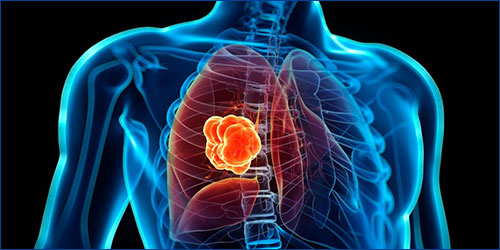

Recent years have brought revolutionary innovations in lung cancer treatment. A group of biological drugs—monoclonal antibodies—called checkpoint inhibitors, or IMMUNOTHERAPY, have become an important part of lung cancer treatment. These drugs activate fighting cells (T lymphocytes) in the immune system to attack the tumor. These drugs either bind to the PD-1 receptor on T lymphocytes (Anti-PD-1 blockers)

Cancer is a disease that has existed since the beginning of humanity. The first steps in modern cancer treatment were taken after the Second World War. The successful use of drugs in cancer treatment began in the 1970s. Treating cancer with drugs is called chemotherapy, and these drugs are called chemotherapy drugs. The most important reason for using drug therapy in cancer treatment is that cancer is generally a systemic disease (meaning it affects many parts of the body).

Cancer has existed on Earth since the dawn of humanity. With increased life expectancy and a decrease in deaths from infectious diseases, cancer became one of the most common diseases of the 20th century. The decline in deaths from cardiovascular diseases in the last decade, and their expected rarity in the future, will make cancer the most significant disease of the 21st century. Cancer is the process by which a cell in our body, one day, loses all its vital functions.

Breast cancer is the most common type of cancer in women. In developed countries, one in every 7-8 women who live to the age of 70 will develop breast cancer. Although the exact figures are unknown in our country, it is an undeniable fact that the incidence of breast cancer will increase due to increasing industrialization and changing dietary habits. In three-quarters of women who develop breast cancer, there is a certain risk factor other than being female.
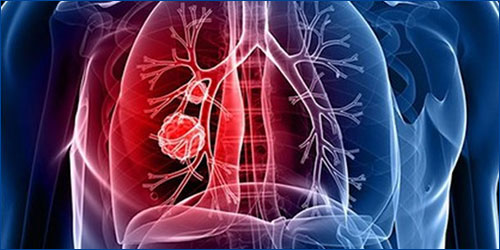
Lung cancer has gone down in world history as one of the most significant diseases of the 20th century. It has been proven, both statistically and biologically, that the most important cause of this disease is smoking. Following the trend of quitting smoking in Western countries, a decreasing incidence of lung cancer cases has emerged, at least in men. In women, deaths from lung cancer have surpassed deaths from breast cancer. Last year...