

Tansan Oncology was established in Istanbul in 1995 by Dr. Süalp Tansan following his return from the United States, where he completed postgraduate training in Internal Medicine and Medical Oncology at Boston University Medical Center. The clinic was founded with a straightforward purpose: to provide contemporary medical oncology care in an independent clinical setting, combining scientific evidence, careful clinical judgment and close physician-patient communication. Over more than three decades, oncology has changed profoundly. Chemotherapy has been joined by targeted therapies, immunotherapies, increasingly sophisticated molecular diagnostics and a rapidly expanding understanding of tumor biology. Our clinical approach has evolved with these developments while maintaining the same central principle: treatment must be appropriate for the individual patient.
Science before fashion
New does not automatically mean better.
Every cancer is different.
Patients with the same diagnosis can have biologically and clinically different diseases..
Treatment should evolve with the disease.
Cancer can acquire new biological characteristics and mechanisms of resistance.
Innovation must have a purpose.
Molecular tests, targeted treatments and new technologies should be used when they have a reasonable potential to improve a clinical decision, not simply because they are available.
The patient remains at the center.
Treatment decisions should consider not only the cancer, but also the patient’s overall health, treatment tolerance, quality of life, values and priorities.
Clarity matters.
Patients should understand why a treatment is being recommended, what it is expected to achieve, what its limitations are and what important alternatives exist.

Chemotherapy remains an important and effective treatment for many cancers. Modern chemotherapy is selected according to tumor type, stage, treatment goal and patient factors, and is supported by careful monitoring and proactive management of side effects.

Targeted therapies act on specific molecular pathways or biological features that contribute to cancer growth. Their use usually depends on the presence of a relevant biomarker or a well-defined clinical indication. A target detected in a tumor does not always mean that a targeted drug will be effective. The strength of clinical evidence and the context of the individual cancer are essential.
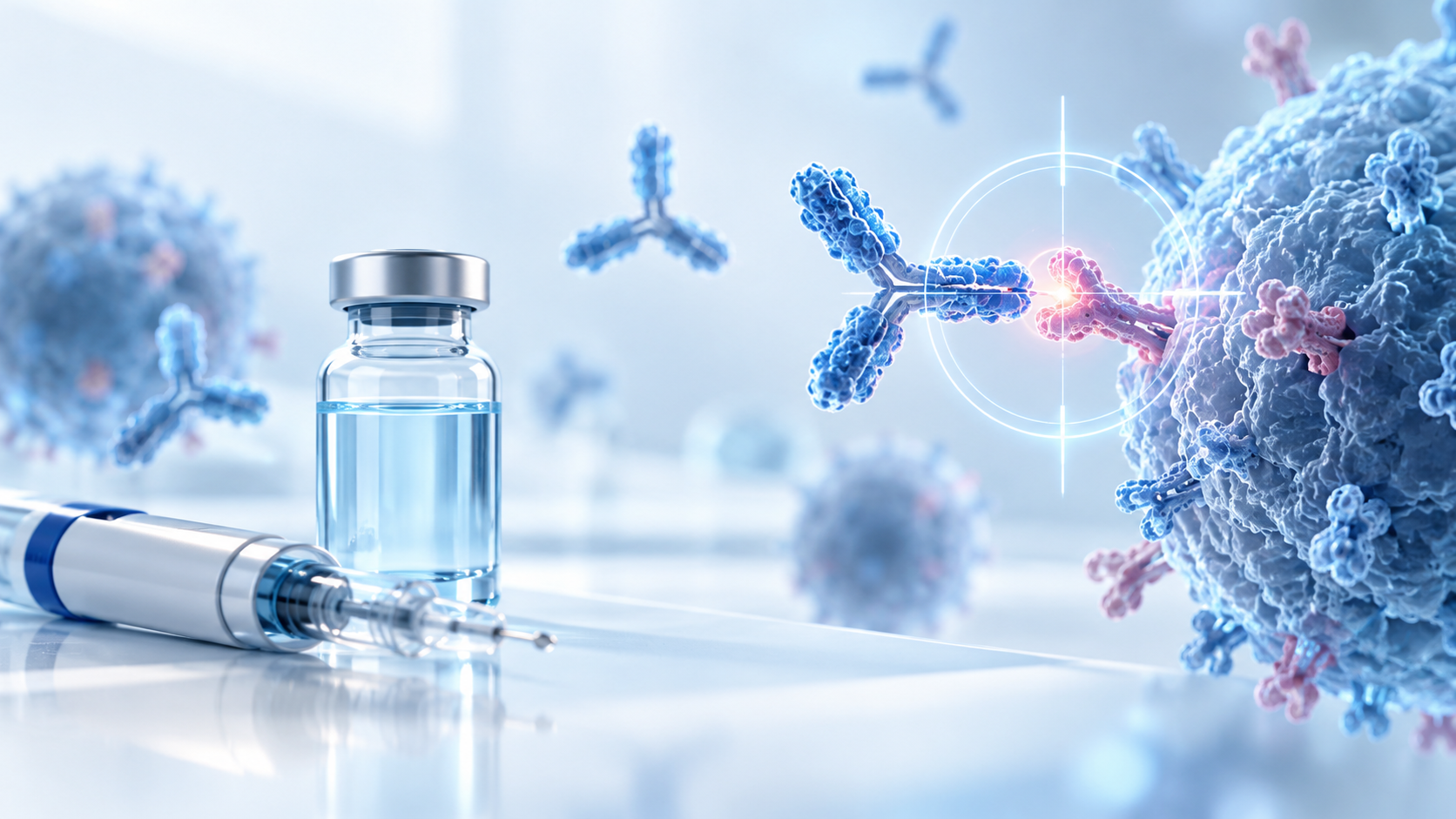
These are treatments that strengthen or redirect the immune system's response to cancer. The likelihood of benefit varies depending on the type of cancer; biomarkers, previous treatments, and the risk of immune-related side effects are evaluated.

Hormone-sensitive cancers, particularly certain breast and prostate cancers, may be treated with therapies that block hormone production or signaling. Molecular mechanisms of resistance can sometimes influence later treatment choices.
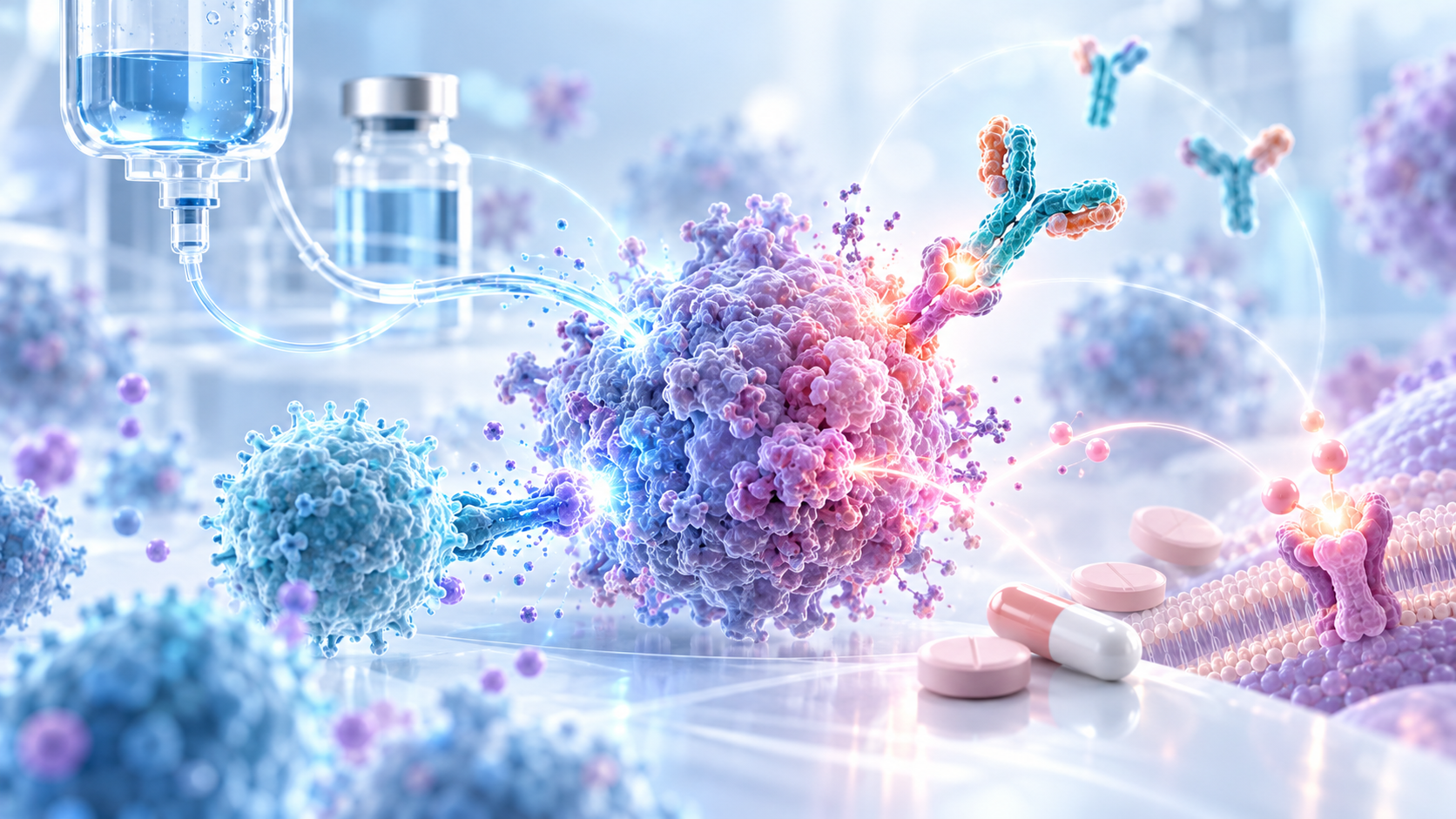
Some cancers are best treated by combining different systemic therapies or by coordinating systemic treatment with surgery or radiotherapy. The potential benefit of combination treatment must be balanced against additional toxicity.
Medical Oncologist | Founder, Tansan Oncology
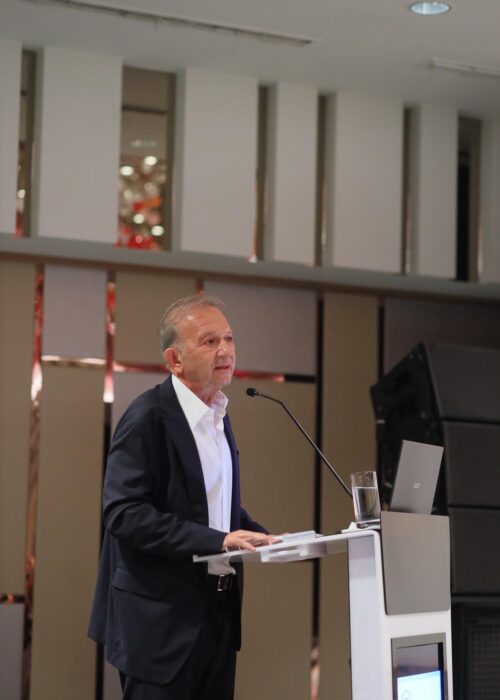
Dr. Süalp Tansan is the founder of Tansan Oncology and a medical oncology specialist with over 30 years of experience in cancer treatment. He was born in Istanbul in 1959 and graduated from Istanbul University Faculty of Medicine in 1983.
Born in Istanbul in 1959, he graduated from Istanbul University Faculty of Medicine in 1983. After completing compulsory medical service in Turkey, he continued his postgraduate medical training in the United States, completing his residency in Internal Medicine and fellowship in Medical Oncology at Boston University Medical Center.
He passed the American Board of Internal Medicine examination in the 98th percentile. From 1991 to 1995, Dr. Tansan served as Director of the Chemotherapy Clinic and was involved in postgraduate specialty training at Boston University. During this period, he combined clinical oncology with medical education and scientific work. In recognition of his contributions to Boston University School of Medicine and its affiliated hospital, he received the Distinguished Physician Award for the 1991–1995 period. Dr. Tansan returned to Istanbul in 1995 and founded Tansan Oncology Center, establishing an independent clinical practice dedicated to contemporary medical oncology. Over the past 30 years, Tansan Oncology has provided more than 100,000 patient consultations and systemic cancer treatment sessions. Today, Dr. Tansan’s clinical work focuses particularly on patients with complex and advanced cancers and on the thoughtful application of precision oncology. His approach integrates established oncology practice with tumor molecular profiling, genomic testing, targeted therapies and immunotherapy when these are relevant to the clinical problem and supported by evidence.
His approach evaluates established oncology practices, along with molecular profiling of the tumor, genomic testing, targeted therapies, and immunotherapy, when clinically relevant. A key part of his core approach is the reassessment of treatment as cancer changes.
A central principle of his practice is that treatment should evolve as the disease evolves. Clinical response, imaging and molecular findings - including repeat tumor profiling or liquid biopsy when appropriate - are considered together when planning subsequent treatment. Dr. Tansan continues to follow developments in cancer biology, molecular diagnostics and systemic therapy closely, with the aim of translating clinically meaningful advances into well-considered treatment decisions for individual patients.
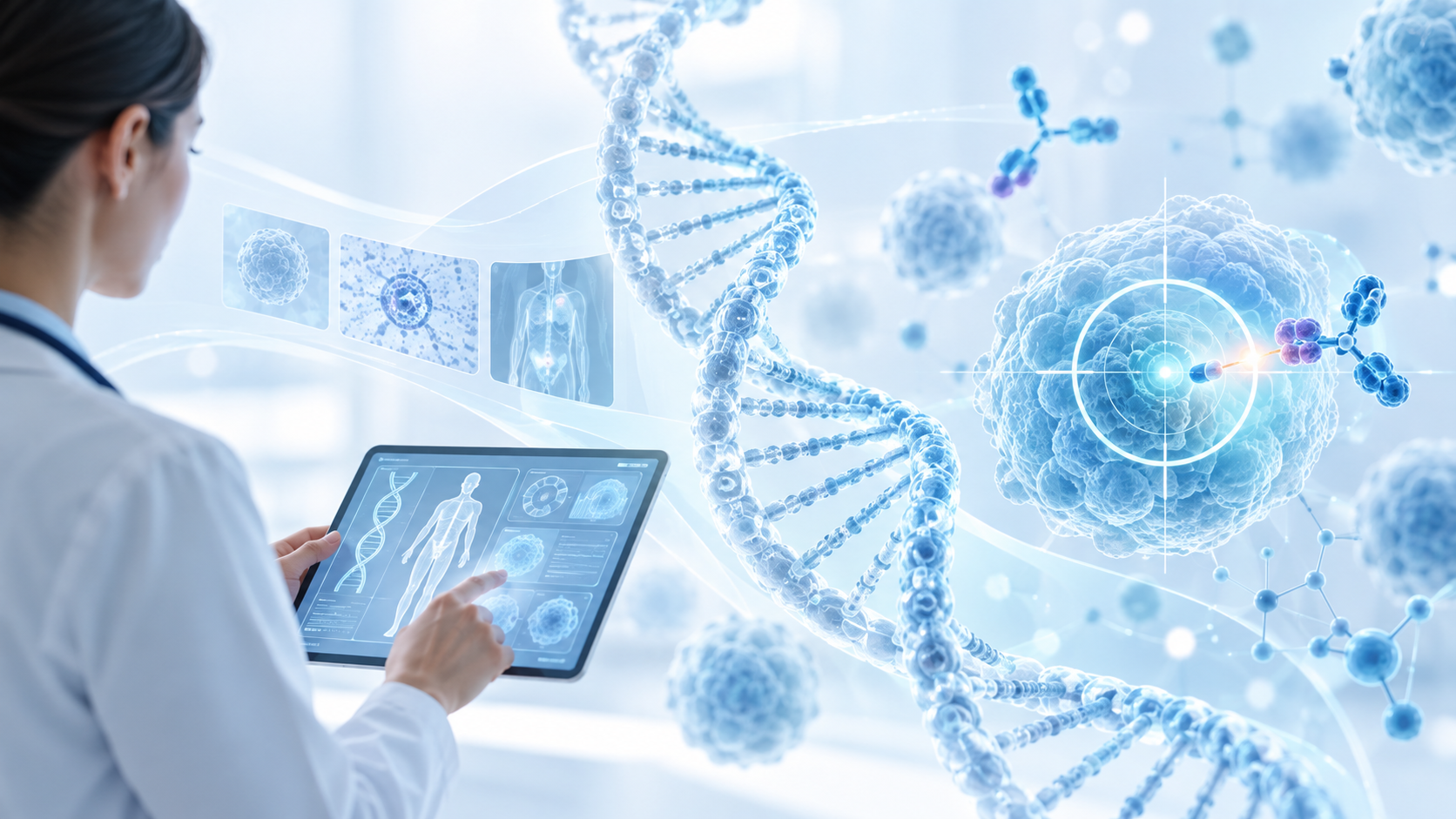
Precision oncology is an approach that uses clinically relevant characteristics of an individual cancer to help guide treatment. These may include histology, protein expression, biomarkers, gene mutations, gene fusions, amplifications, genomic signatures and other molecular features.
Precision oncology does not replace standard oncology. It adds another layer of information that can be valuable when a biomarker has an established or clinically meaningful relationship with a treatment.
Molecular testing may be performed on tumor tissue and, in selected settings, on circulating tumor DNA obtained from blood. Testing can range from analysis of a single clinically relevant biomarker to broader next-generation sequencing panels. The choice of test should be driven by the cancer type and the treatment decision under consideration.
Liquid biopsy can detect tumor-derived genetic material circulating in the blood. In some clinical settings it can provide useful molecular information when tumor tissue is unavailable, difficult to obtain, or when the disease has evolved after previous treatment. Liquid biopsy has limitations. A negative result does not necessarily mean that the tumor has no relevant molecular alteration, particularly when the amount of circulating tumor DNA is low. Tissue testing may still be necessary.
Leave your information for your initial consultation regarding your treatment process.
Our team will contact you to discuss the process together.