

Cancer has existed on Earth since the dawn of humanity. With increased life expectancy and a decrease in deaths from infectious diseases, cancer became one of the most common diseases of the 20th century. The decline in deaths from cardiovascular diseases in the last decade, and their expected rarity in the future, will make cancer the most significant disease of the 21st century.
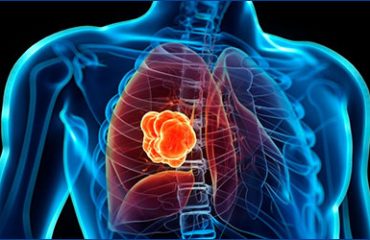
Cancer is a disease that arises when a cell in our body one day grows and multiplies without any control. Our body is made up of various organs, and each organ is made up of millions of cells. Over time, these cells grow and divide, renewing that organ. Genes in the cell nucleus determine when a cell should grow and divide. One group of genes tells the cell to "grow and divide"; another group says "enough, stop." If one day the genes that enable division become overactive or the genes that stop division become inactive, the cell continues to divide incessantly, and a mass appears. This mass, also called a tumor, is cancer itself. These cancerous cells not only fail to perform the functions of that organ, but they also put pressure on surrounding cells, stealing their nutrients, and one day they spread to the lymph nodes by entering the lymphatic system or to other organs such as the liver, lungs, and bones by entering the bloodstream. Cancer leads to death because these cells prevent the organs from performing their functions.
In Türkiye, cancer is perceived quite differently than in other Western societies. The word "cancer" is a taboo. When cancer is mentioned, it is thought of as equal to death. However, cancer patients can recover. Moreover, while complete recovery is not possible in many other diseases, it is possible in many types of cancer. In most patients who cannot fully recover, we see that their lifespan is significantly extended and their quality of life is improved thanks to modern treatments. Since the first chemotherapy drug discovered by Dr. Sidney Farber 55 years ago in a small laboratory in Boston, there have been very significant developments in the number and quality of chemotherapy drugs (especially today). Already, smart drugs, targeted biological drugs, and many small molecules that can prevent cancer growth by modifying genes (thymidine kinase inhibitors), and immunotherapy drugs are increasing the success of cancer treatment and making drug therapy more humane by reducing side effects. In the coming years, it is expected that cancer treatment will make very significant progress as a result of these new drugs and approaches.